
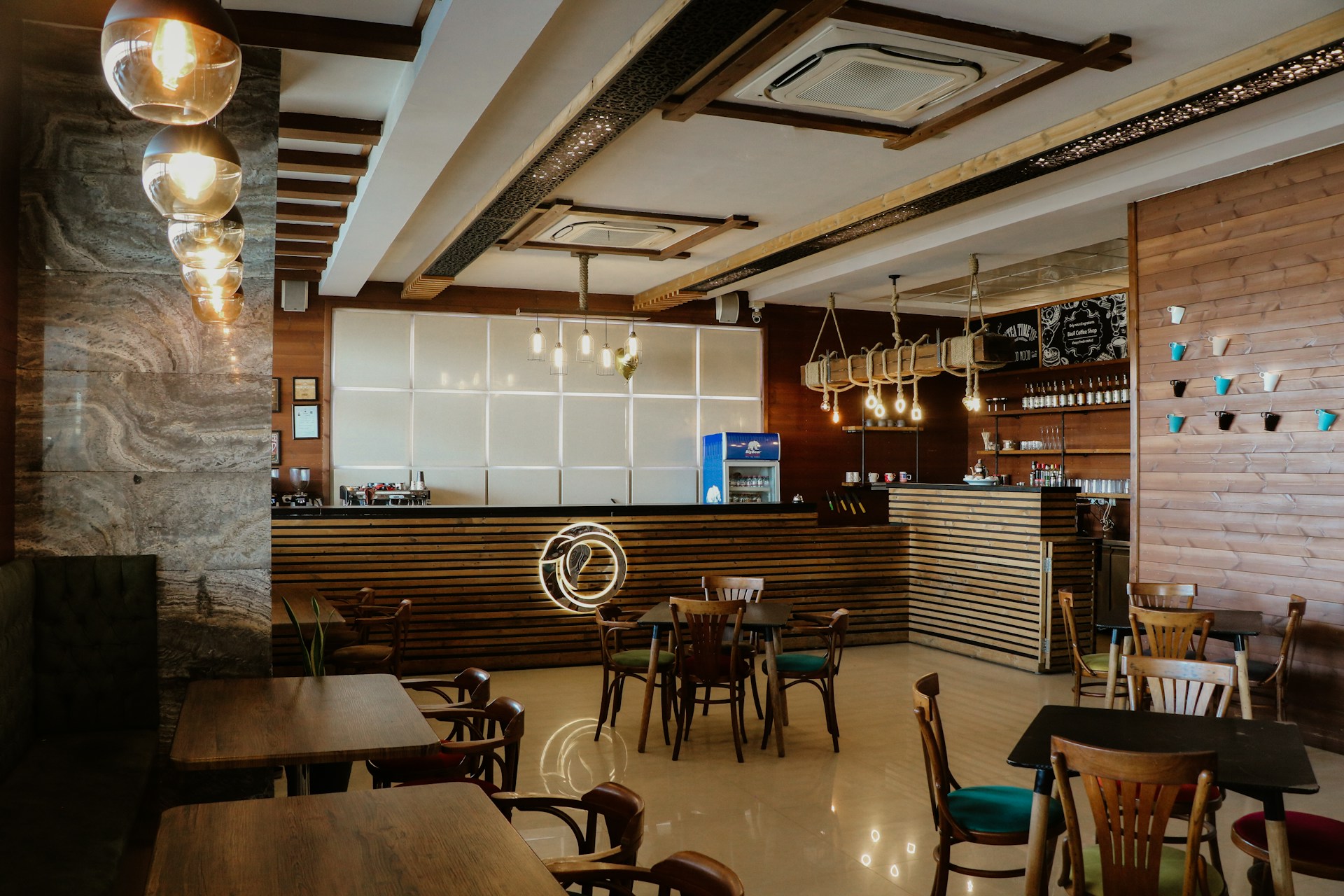
The right furniture can transform a commercial space from ordinary to extraordinary. For restaurants, cafés, hotels, and other hospitality venues, every design choice contributes to the overall guest experience.
Bistro tables, in particular, play a crucial role in creating inviting environments that encourage patrons to linger, dine, and return.
Selecting the perfect bistro tables for your commercial space involves more than picking an attractive design. You need to consider durability, functionality, aesthetic appeal, and how the furniture aligns with your brand identity.
This guide will walk you through the essential factors to consider when choosing bistro tables that elevate your hospitality venue and create memorable experiences for your guests.
Understanding Your Space Requirements
Assessing Available Square Footage
Before selecting bistro tables, carefully measure your available space. Consider the following:
- Traffic flow patterns: Ensure guests and staff can move comfortably between tables
- Local fire codes: Many jurisdictions require specific aisle widths for safety
- Seating capacity goals: Balance maximum occupancy with guest comfort
- Flexible configurations: Plan for different service periods and event types
Standard spacing guidelines suggest allowing 18-24 inches between table edges and 36-42 inches for main walkways. However, these measurements may vary depending on your venue type and local regulations.
Matching Table Size to Function
Different commercial environments require different table dimensions:
- Small bistro tables (24-30 inches): Perfect for coffee shops, wine bars, and quick-service restaurants
- Medium tables (30-36 inches): Ideal for casual dining and multi-purpose hospitality spaces
- Larger tables (36-42 inches): Best suited for full-service restaurants and extended dining experiences
Consider how your guests will use the tables. Coffee shops benefit from smaller surfaces that encourage turnover, while upscale restaurants need larger tables to accommodate multiple courses and wine glasses.
Material Selection for Durability and Style
Tabletop Materials
The tabletop material significantly impacts both aesthetics and longevity. Common options for hospitality furniture include:
- Solid wood: Offers warmth and natural beauty; requires regular maintenance
- Laminate: Budget-friendly and easy to clean; available in numerous finishes
- Metal: Industrial aesthetic; extremely durable and weather-resistant
- Marble or stone: Luxurious appearance; heavy and requires careful handling
- Glass: Modern and sleek; shows fingerprints and requires frequent cleaning
When evaluating materials for commercial interior design, prioritize options that withstand heavy use while maintaining their appearance over time.
Base Construction
The table base must support daily commercial use:
- Cast iron bases: Classic bistro style; extremely stable and durable
- Steel bases: Contemporary look; powder-coating prevents rust
- Wooden bases: Warm aesthetic; may require reinforcement for commercial use
- Pedestal vs. four-leg designs: Consider guest comfort and space efficiency
Weight and stability are paramount. Bistro tables in high-traffic areas need bases that prevent tipping while remaining easy for staff to move when needed.
Designing for Your Brand Identity
Aligning Furniture with Concept
Your commercial bistro tables should reinforce your venue’s unique identity:
- Traditional European bistro: Wrought iron bases with marble or wood tops
- Modern minimalist: Clean-lined metal frames with simple surfaces
- Industrial chic: Reclaimed wood paired with steel bases
- Coastal casual: Light woods with weathered finishes
Consider how table design elements—shape, color, finish, and material—communicate your brand story to guests.
Color and Finish Coordination
Coordinate bistro table finishes with your overall interior palette:
- Neutral tones: Versatile and timeless; easily updated with accessories
- Bold colors: Create focal points and reinforce brand recognition
- Mixed materials: Add visual interest through texture contrast
- Patina and aging: Some concepts benefit from vintage or distressed finishes
Remember that lighter colors show wear more quickly in commercial settings, while darker tones may reveal dust and fingerprints.
Prioritizing Functionality and Maintenance
Ease of Cleaning
Hospitality venues require furniture that staff can clean quickly and thoroughly:
- Non-porous surfaces: Prevent bacteria growth and staining
- Sealed finishes: Protect against spills and moisture damage
- Simple designs: Minimize crevices where dirt accumulates
- Chemical resistance: Ensure materials withstand commercial cleaning products
Test cleaning procedures before making large purchases to verify that maintenance aligns with your operational capabilities.
Adaptability and Storage
Consider how bistro tables function throughout different service periods:
- Stackable designs: Maximize storage efficiency during off-hours
- Folding mechanisms: Enable quick space reconfigurations
- Modular systems: Allow tables to combine for larger parties
- Weather resistance: Essential for outdoor dining areas or convertible spaces
Flexibility in your furniture selection creates opportunities for special events, private parties, and seasonal adaptations.
Navigating B2B Design Partnerships
Working with Commercial Furniture Suppliers
Successful B2B design relationships require clear communication:
- Volume pricing: Negotiate rates based on your total furniture needs
- Lead times: Plan orders around renovation schedules and opening dates
- Warranty coverage: Understand what’s protected under commercial use warranties
- Sample programs: Request samples before committing to large orders
Established commercial furniture suppliers understand hospitality industry demands and can guide durability expectations and replacement cycles.
Budgeting for Quality
Commercial-grade bistro tables represent a significant investment:
- Initial cost vs. lifetime value: Higher-quality pieces often prove more economical over time
- Replacement frequency: Budget for periodic updates even with durable furniture
- Volume discounts: Order complete sets to maximize purchasing power
- Payment terms: Explore financing options for large furniture packages
Consider the total cost of ownership, including maintenance, repairs, and eventual replacement, when evaluating options.
Ensuring Guest Comfort and Experience
Ergonomic Considerations
Comfortable seating encourages guests to relax and extend their visits:
- Table height standards: Typically 28-30 inches for dining, 40-42 inches for bar-height
- Legroom clearance: Ensure bases don’t interfere with seating
- Edge profiles: Rounded edges prevent discomfort during extended dining
- Surface stability: Avoid wobbly tables that create negative experiences
Pair bistro tables with appropriately sized seating to create ergonomic dining environments.
Accessibility Compliance
Commercial spaces must accommodate all guests:
- ADA guidelines: Ensure some tables meet height and clearance requirements
- Wheelchair access: Plan spacing for mobility device maneuverability
- Visual contrast: Help guests with vision impairments navigate the space
- Adjustable options: Consider tables with adaptable heights when possible
Accessibility isn’t just about compliance—it demonstrates your commitment to inclusive hospitality.
Creating Cohesive Design Narratives
Professional commercial interior design tells a story through every element. Bistro tables shouldn’t exist in isolation but rather contribute to a unified aesthetic vision.
Consider how tables interact with flooring, lighting, wall treatments, and other furnishings to create harmonious environments.
Layering different textures and materials adds depth to your design. A rustic wood tabletop might pair beautifully with industrial metal bases and soft upholstered seating, creating visual interest while maintaining cohesion.
Lighting also plays a crucial role in showcasing your bistro tables. Pendant lights can define individual dining areas, while ambient lighting creates mood and atmosphere. Plan your furniture layout with lighting design in mind to ensure each table receives adequate illumination.
Making Informed Decisions for Your Venue
Selecting commercial bistro tables requires balancing aesthetic aspirations with practical realities.
The most successful choices satisfy multiple criteria: they’re beautiful enough to attract guests, durable enough to withstand commercial use, functional enough to support operations, and aligned enough with your brand to reinforce your unique identity.
Take time to research options, request samples, and consult with experienced hospitality furniture professionals.
Visit other venues with similar concepts to observe how different bistro table styles perform in real-world environments. Document what works well and what challenges arise.
Remember that furniture decisions have long-term implications for your business. Quality hospitality furniture represents an investment in guest experience, operational efficiency, and brand expression.
By carefully considering all the factors outlined in this guide, you’ll be well-equipped to select bistro tables that elevate your commercial space and contribute to your venue’s success for years to come.
